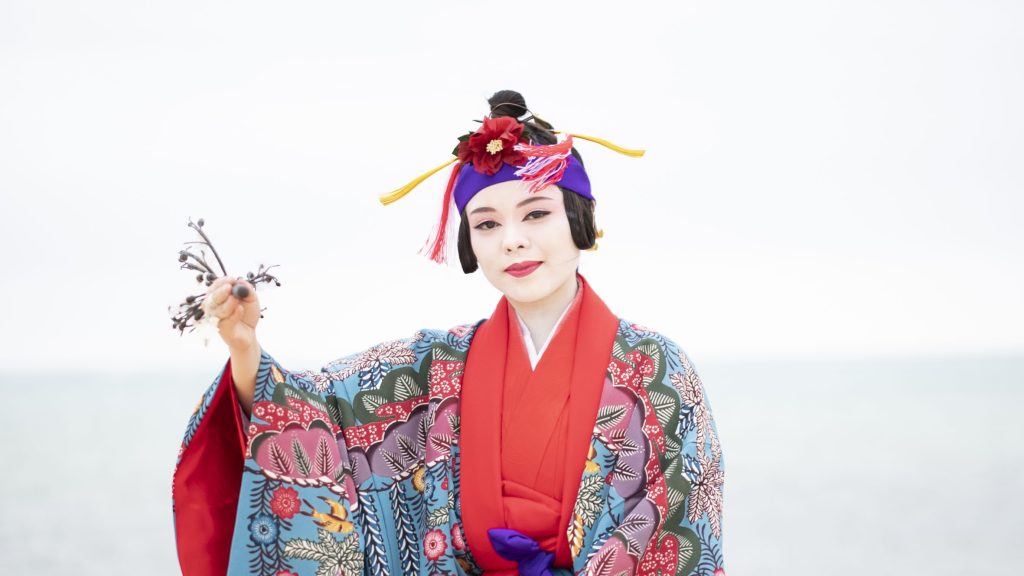
In this article, I would like to share 10 essential aspects for improving in Okinawan dance. Okinawan dance is deeply rooted not only in dance techniques but also in its backstage and cultural elements. This article is intended for those who want to challenge themselves in Okinawan dance, those who are opening the door to dance for the first time, and those who want to learn more about Okinawan dance.
1. The Path to Growth through Daily Accumulation:
Embarking on the journey into the world of Okinawan dance begins with practice. It is crucial to start with the basics of movements and fundamental dances like “Kagyadefu,” gradually challenging oneself and stepping up. Aim to learn from the basics, participate regularly in practices, don’t hesitate to ask questions to your teacher, and cherish their advice and responses. The accumulation of daily practice becomes the key to growth.
2. Understanding History and Origins:
Knowing the history and origins of Okinawan dance enhances its uniqueness and charm, making it more enjoyable. Understanding the history adds depth to the expression of dance, revealing the mysteries behind the scenes. Okinawan dance’s origins trace back to priestly dances, evolving into court dances, folk dances, post-war folk dances, and creative dances. Exploring this historical evolution helps in understanding the diversity and evolution of Okinawan dance.
3. Knowing the Meaning of Performances:
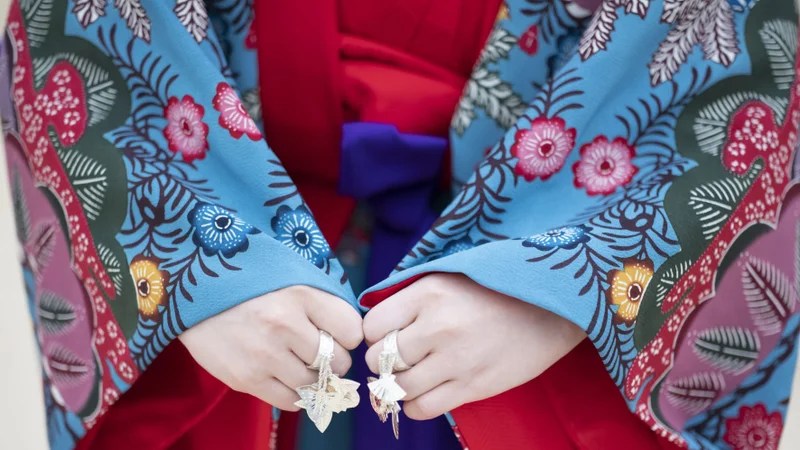
To master Okinawan dance, it is essential to gradually understand the meaning of each performance. For example, classical female dances use accessories like “紅型” (Bingata) and “房指輪” (Fusa ring). Each dance incorporates different accessories and costumes based on its unique meaning and background. Learning about these elements is necessary.

4. Understanding Lyrics and their Significance:
Unlike everyday Japanese, Okinawan dance music, known as “歌三線” (Uta Sanshin), is mostly sung in the Okinawan language. Understanding the lyrics’ meaning associated with the dance enhances the nuances and expressions, enriching the overall dance performance. Utilize reference books, Okinawan dance literature, and the internet to learn about these meanings and lyrics.

5. Techniques of Makeup, Hairstyling, and Dressing:
In Okinawan dance, participants handle their own makeup, hairstyling, and dressing. Initially, you may learn by observing your teacher or seniors, but refining these techniques independently broadens your scope of activity and adds to the enjoyment. Improving these aspects enhances on-stage presence, making the performance more striking and beautiful.
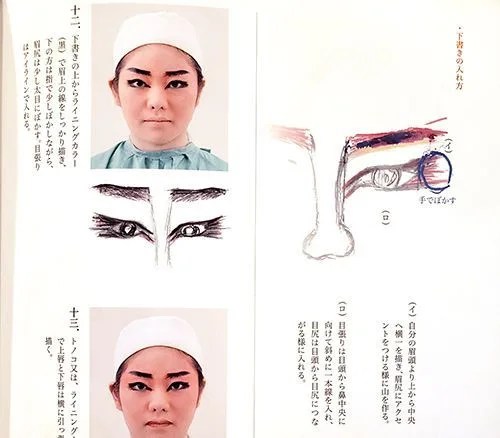
6. Repeatedly Gaining Success through Participation in Performances and Events:
Participating in performances and events provides valuable opportunities for personal growth. While there might be failures in initial attempts, these experiences are essential steps toward success. Actively participate, transform nervousness into enjoyment, and repeat the cycle of gaining successful experiences.
“There is no flower that starts as a flower. Regardless of how radiant someone may be, everyone starts the same. Even a beautiful blooming flower begins as a small seed, gradually turns into a bud, and eventually blossoms.”
Zeami
7. Building a Healthy Body:
Okinawan dance primarily involves aerobic exercise, stabilizing the center of gravity, and strengthening muscles, especially the quadriceps and core. However, maintaining overall body balance requires additional strength training. Since dance often involves forward leaning, targeting the back muscles and hamstrings is crucial. Combining dance with strength training aims for a balanced and healthy body.
8. Maintaining a Proper Diet and Sleep:
A healthy lifestyle is essential for delivering excellent performances. Paying attention to the quality of your diet and sleep not only benefits your body but also nurtures a positive impact on your mental well-being. Building a healthy foundation is crucial for Okinawan dance and on-stage activities.
“Sleep is the strongest medicine for maintaining physical and mental health. Functions like learning, memory, rational decision-making, and choices are reinforced through sleep. Sleep is indispensable for mental health, helping us regulate emotions and face the challenges of the next day with a stable mind.”
Why We Sleep. Matthew Walker
9. Establishing Habits:
Actively participating in regular practices is the key to improving in Okinawan dance. While the process of establishing habits may initially feel challenging, try attending regular practices for a month. Once the habit forms, gradual improvement follows. Repeating dances multiple times helps your body memorize the movements.
10. Adopting a Continuous Learning Attitude:
Dance is an endless journey of learning. Maintaining a humble heart, adopting a continuous learning attitude, and gaining insights from dance companions and mentors pave the way for continuous growth. While the path of Okinawan dance may have challenges, experiencing its depth and beauty, cherishing daily practices, leads to growth. Let’s continue to dance towards our dreams, working hard together.
Conclusion:
The journey of learning Okinawan dance is also a joyous voyage of self-discovery and personal growth. Discover your radiance while delving into the intricacies of dance techniques and culture. Learning through practice, growing through public dance experiences, and approaching each step with determination bring joy and fulfillment to the world of Okinawan dance. Keep dancing towards your dreams, and may your wonderful adventure in the world of dance continue.
Thank you very much for reading until the end. We will continue to strive to deliver new information regularly, and we hope you will continue to enjoy our content. Thank you for your support!
 Okinawan Superstar
コメントを残す