
In Okinawa, on this land, the pleasant sea breeze blows through, and the waves gently lap the shore. The sea seems like a living creature, shining in beautiful colors, from transparent emerald to deep blue, and then turning red at sunset.
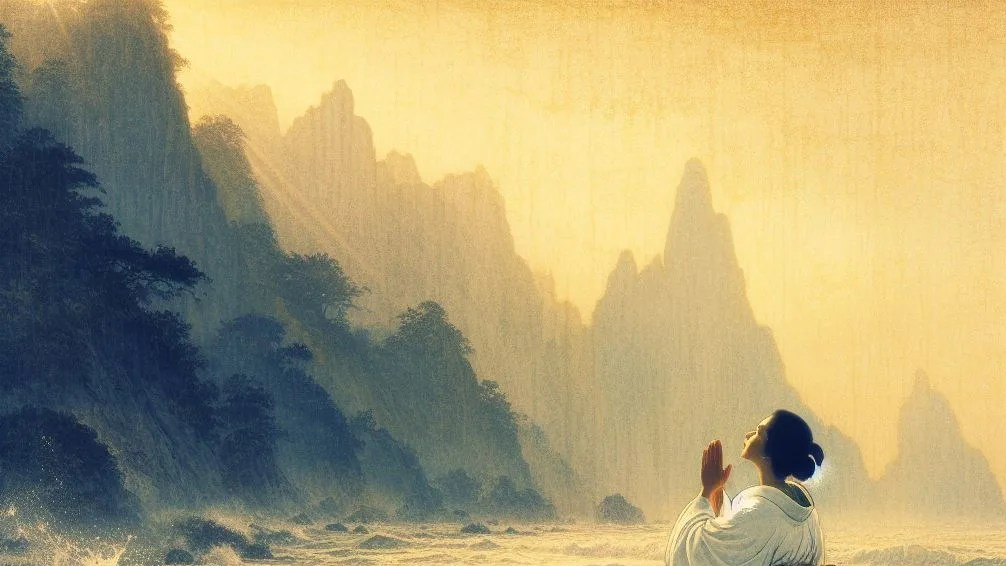
There are ancient legends that has been passed down through generations. It tells of an ideal paradise beyond the sea, known as “Nirai Kanai.” This place is believed to be the afterlife, where souls dwell eternally. The journey to this place is thought to be one of eternal peace and happiness, shared with ancestors and family. The heartfelt prayers bring comfort to people, and among them, the spirit of prayer transforms into dance and song, opening the gateway to the performing arts.
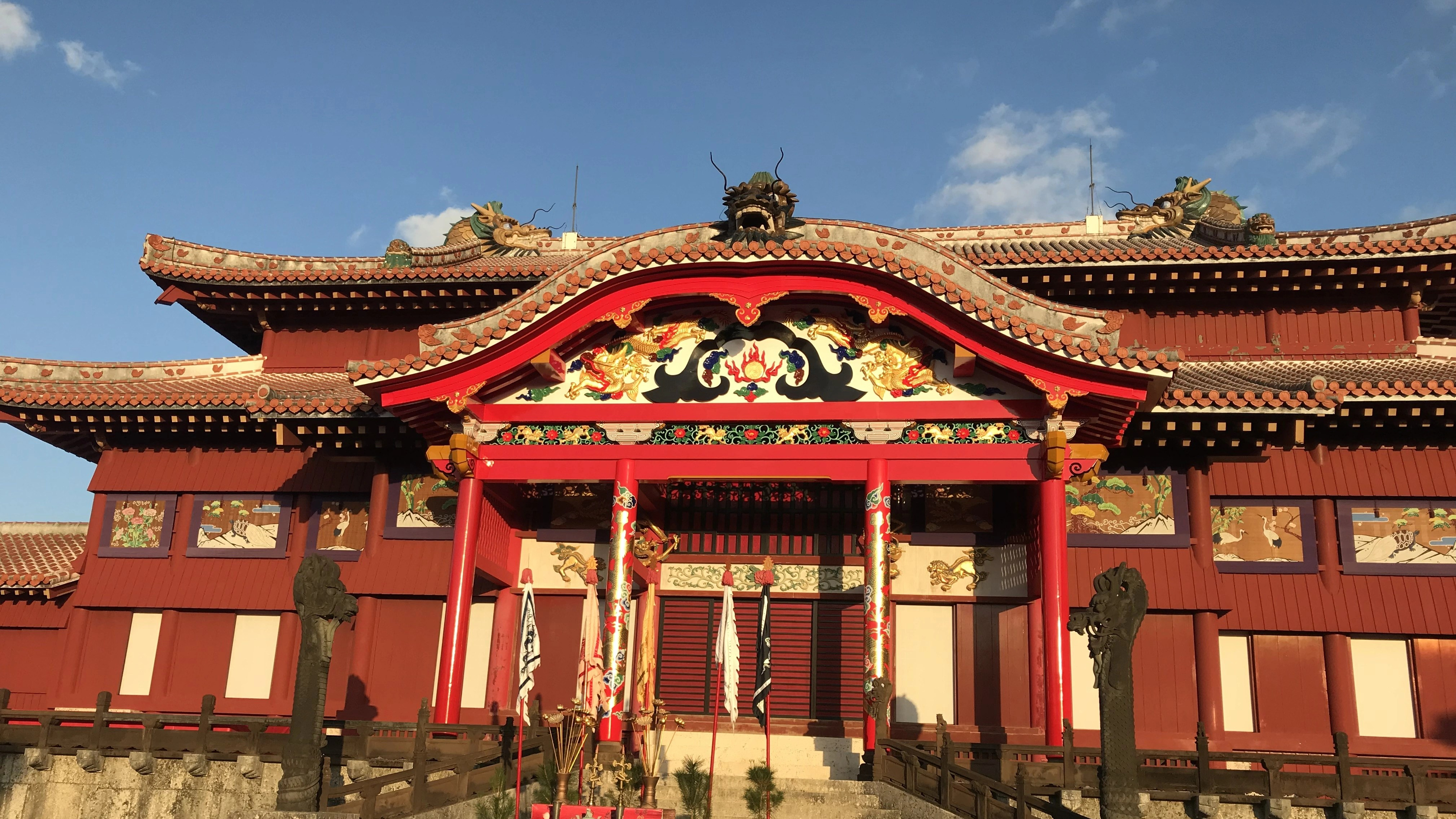
The Ryukyu Kingdom, which lasted for approximately 450 years from the early 14th century, not only engaged in trade with Japan, China, and Korea but also established wealth and prosperity through intermediary trade with countries such as Thailand, Malaysia, and Indonesia. By the 18th century, Ryukyuan culture entered a golden age, and as a symbol of this era, Ryukyuan dance emerged.
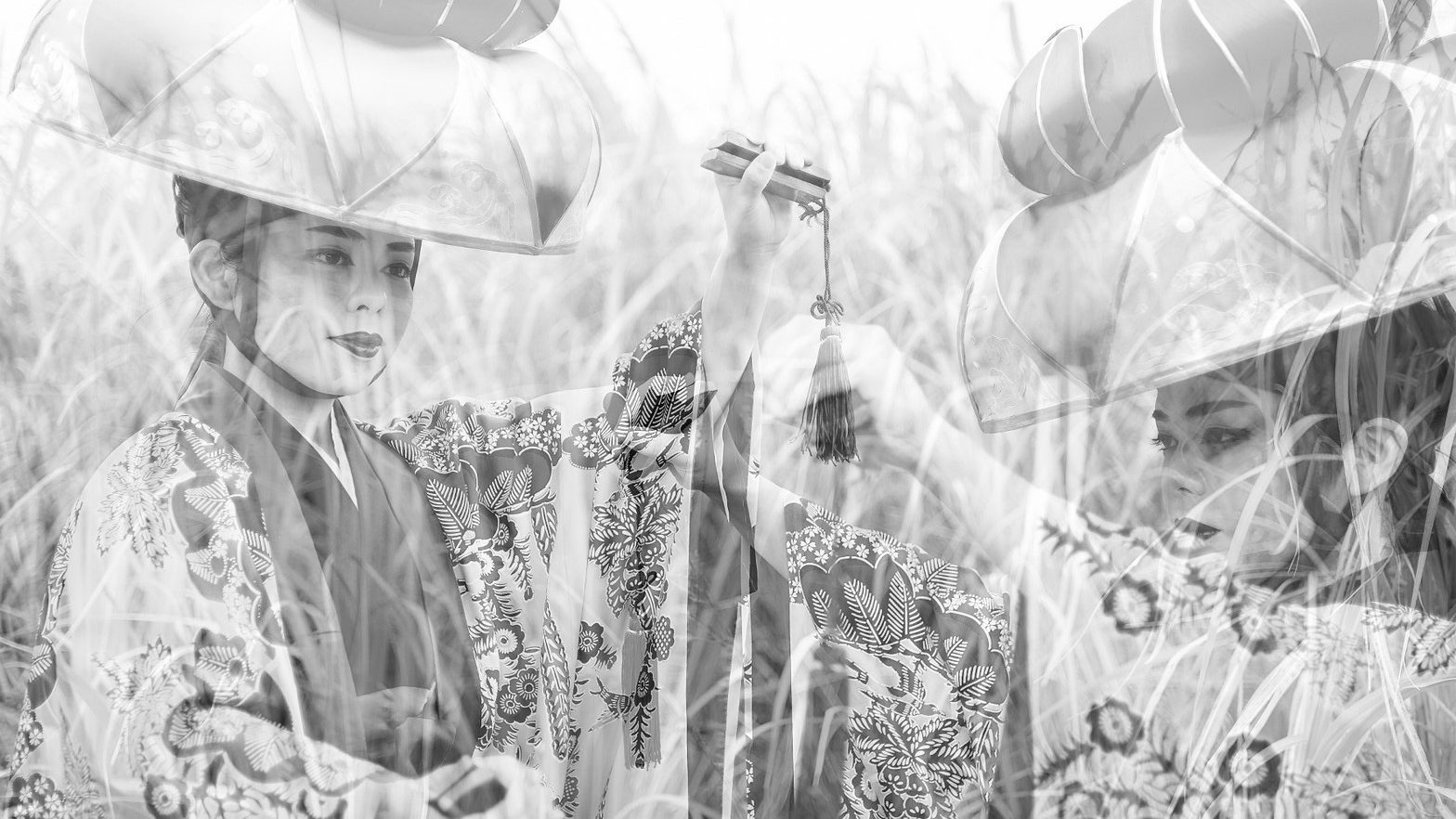
Ryukyuan dance is typically divided into three categories:
- Classical Dance: These are formal dances performed by officials of the Ryukyu Kingdom to welcome envoys from China. They are characterized by elegant movements and luxurious costumes, symbolizing Ryukyuan culture and history.
- Elderly Dance (Rojin Odori): Praying for longevity and prosperity of descendants.
- Boy’s Dance (Wakashu Odori): Celebrating the auspiciousness of life.
- Man’s Dance (Niisee Odori): A dance that incorporates elements of Yamato entertainment based on karate, used to predict a bountiful harvest.
- Woman’s Dance (Onna Odori): Themed around love and romance, expressed through restrained gestures.
- Folk Dance (Zo Odori): After the Ryukyu Han (feudal domain) was abolished in 1879, government officials who lost their jobs created this dance for the general public. It contains more common elements compared to classical dance.
- Creative Dance (Sousaku Buyo): A new form of dance that emerged after World War II in 1945, retaining classical elements but incorporating innovative approaches and expressions.
Ryukyuan dance was designated as an Important Intangible Cultural Property of Japan in 2009, further recognizing its value and significance.
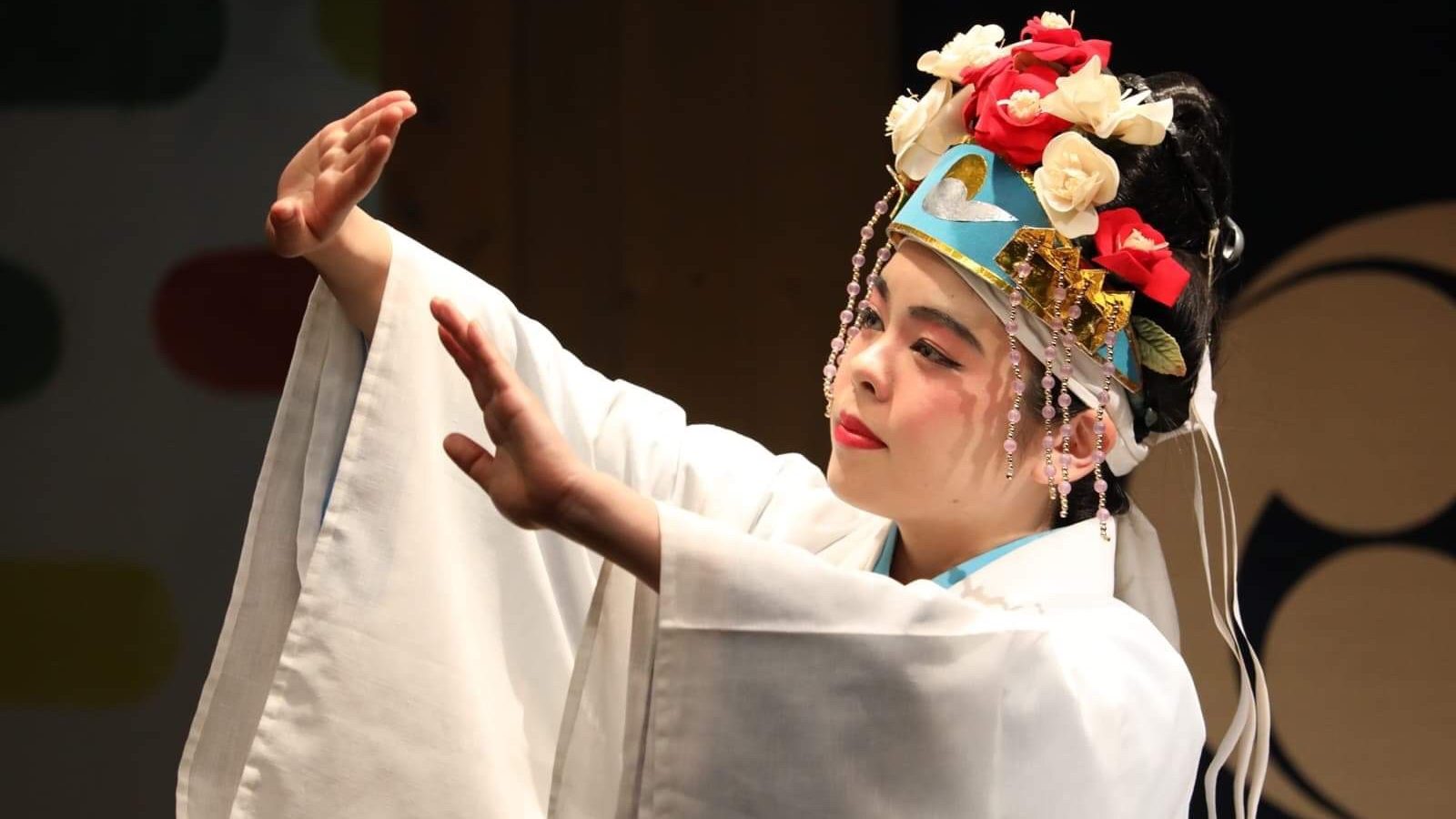
With its graceful movements and rich history, Ryukyuan dance holds great charm. Exploring its rich expressions can be a moving experience. Why not embark on a journey to discover the beauty and history of this dance, and share in its inspiration? We look forward to welcoming you into the world of Ryukyuan dance.
Until the day you eventually leave this island, may you want to deepen your knowledge of the precious things. 🎶 BEGIN – Shimanchunu Takara
References
- Omichi, Isamu. (2010). “Ryukyu Buyo Notes.” Border Ink Co., Ltd.
- Okinawa Prefectural Government. (2000). “The Traditional Culture of Okinawa.” Cultural Promotion Division, Culture and International Affairs Bureau, Department of Cultural & Environmental Affairs, Okinawa Prefectural Government.
- Yano, Teruo, Toma, Ichiro, Oshiro, Manabu, Ikemiya, Masaharu. (1985). “Ryukyu Buyo.” Tourism and Culture Bureau, Department of Commerce, Industry, and Labor, Okinawa Prefectural Government.
 Okinawan Superstar
コメントを残す